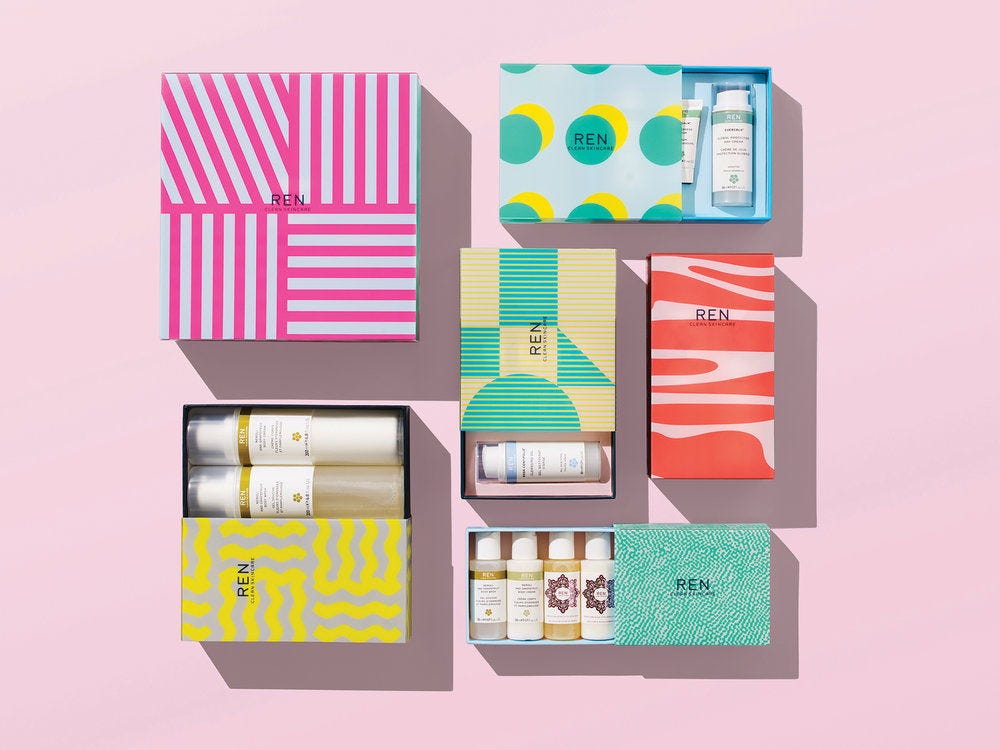
Key packaging design is transforming how businesses connect with customers today. Brands now use packaging not only as a protective layer but also as a storytelling tool. From minimalist layouts to sustainable materials, every design element plays a part in building brand identity. In this fast-moving world of consumer marketing, packaging design has evolved beyond simple boxes and labels—it’s an experience that drives recognition and loyalty.
The creative use of Key Packaging Design trends can make a brand stand out on the shelf and online. The right design influences buying behavior, creates emotional connections, and even promotes sustainability. This is why modern businesses pay attention to packaging details more than ever before.
Understanding the Power of Packaging Design in Branding
In branding, packaging design acts as the first point of physical contact between a brand and a consumer. While advertisements and online marketing attract attention, the packaging makes the first real impression.
When someone picks up a product, its colors, typography, texture, and structure silently communicate the brand’s personality. A well-designed package tells a story—whether it’s elegance, playfulness, eco-friendliness, or luxury.
Today, packaging design is more than an aesthetic choice; it’s a marketing tool that builds emotional value. Successful brands invest in creativity and user experience to make their packaging both functional and beautiful.
Why Packaging Design Matters for Modern Brands
Consumers judge a product within seconds of seeing it. That’s why packaging plays a crucial role in creating brand trust and recall. It can increase the perceived value of a product and make it easier to identify among competitors.
Modern consumers want to connect with brands that reflect their values. Packaging helps brands communicate those values through design language, colors, materials, and finishes. Whether it’s an eco-friendly message or a touch of sophistication, packaging tells the brand story instantly.
The Evolution of Packaging Design
Packaging design has come a long way from its basic purpose of protection. In the past, it was just about keeping products safe and fresh. Now, it’s about attraction, engagement, and identity.
Earlier designs relied heavily on bright colors and flashy typography to grab attention. Today, simplicity, authenticity, and sustainability are shaping modern branding. As consumer expectations evolve, so do packaging materials, printing methods, and creative layouts.
Technology has also influenced design with new trends such as digital printing, QR codes, and AR-based interactive packaging. These advancements allow brands to offer customers personalized experiences through packaging itself.
1. Minimalist Packaging Design
Minimalist design is one of the leading trends shaping today’s market. Brands are using clean lines, simple typography, and fewer design elements to express sophistication and confidence.
This trend aligns with the concept of “less is more.” It creates a modern, premium look that appeals to consumers who value clarity and elegance. Minimalist packaging often uses a limited color palette, subtle textures, and strong brand logos to create recognition.
Minimalism also supports eco-friendly goals because it typically uses fewer materials and inks.
2. Sustainable and Eco-Friendly Packaging
Eco-conscious consumers are driving a huge shift toward sustainable packaging. Brands now understand the importance of reducing waste and minimizing environmental impact.
Sustainable packaging includes recycled materials, biodegradable papers, plant-based plastics, and reusable containers. Companies that adopt eco-friendly designs gain trust and loyalty from environmentally aware customers.
This trend not only protects the planet but also positions brands as responsible and forward-thinking.
3. Custom Typography and Bold Fonts
Typography is no longer just about reading text—it’s about expressing emotion. Modern packaging design often uses bold, customized fonts to showcase brand personality.
Unique fonts give brands a signature style. For example, a bold serif font might communicate tradition and luxury, while rounded sans-serif fonts give a modern and friendly tone.
Typography can even replace graphics in minimal designs, turning words into visual art.
4. Color Psychology in Packaging
Colors influence emotions and buying decisions more than most people realize. Modern packaging design relies heavily on color psychology to evoke specific feelings.
Warm tones like red and orange create excitement and appetite, while cool tones like blue and green convey calmness and trust. Black adds luxury, white shows purity, and metallic colors indicate premium quality.
By choosing the right color palette, brands can align their design with their target audience’s mindset.
5. Vintage-Inspired Designs
Vintage packaging has made a strong comeback, blending nostalgia with authenticity. Consumers often trust brands that remind them of simpler times.
Vintage designs use old-fashioned typography, muted color schemes, and textured finishes. This style creates a feeling of warmth and reliability, especially for food, beverage, and skincare brands.
Such designs evoke memories and make products stand out among modern competitors.
6. Interactive and Smart Packaging
Technology is redefining packaging design. With QR codes, NFC tags, and augmented reality, brands can now connect with customers beyond physical packaging.
Interactive packaging allows consumers to scan a product to access recipes, videos, or brand stories. It’s engaging and adds value to the buying experience.
Smart packaging also helps track freshness, verify authenticity, and collect customer feedback—all through digital integration. more
7. Personalized Packaging
Personalization has become one of the strongest packaging trends in branding. It makes customers feel special and appreciated.
Brands now print names, messages, or custom graphics on packaging to create a personal connection. This trend was made popular by campaigns like Coca-Cola’s “Share a Coke,” which replaced logos with customer names.
Personalized packaging increases emotional value and brand loyalty.
8. Transparent and Honest Packaging
Transparency builds trust. Brands are now showing what’s inside through clear packaging or window designs.
Consumers appreciate honesty in branding. Transparent packaging communicates purity, freshness, and authenticity. It’s especially common in the food, beauty, and health industries.
This design approach also helps highlight product quality, making it appealing on both shelves and social media.
9. Use of Natural Textures and Materials
Modern packaging often uses natural textures like wood grain, recycled kraft paper, and soft-touch finishes. These materials add a tactile experience that digital designs can’t match.
Touch plays a big role in product perception. Smooth, soft, or rough surfaces create emotional responses and improve customer interaction.
This sensory design trend makes packaging memorable and premium.
10. Functional and Reusable Packaging
Functionality is just as important as beauty. Modern brands are focusing on packaging that can be reused or repurposed.
Reusable packaging reduces waste and keeps the brand visible for a longer time. For example, jars, tins, and boxes designed for reuse give customers a reason to keep them.
This trend supports sustainability while offering added value to consumers.
11. Artistic Illustrations
Illustrations are replacing photographs in many packaging designs. They create a hand-crafted, authentic look that connects emotionally with customers.
From floral sketches to playful doodles, illustrated designs tell stories visually. They make products appear more creative and relatable.
Illustrations also give brands flexibility in expressing culture, heritage, and creativity.
12. Gradient and Holographic Finishes
Gradient designs add modern appeal through soft color transitions. Holographic finishes, on the other hand, create a futuristic look that attracts younger audiences.
These effects catch light beautifully, making the packaging stand out both online and on shelves. They’re popular among tech, beauty, and fashion brands seeking vibrant, bold visuals.
13. Storytelling Through Design
Packaging that tells a story engages customers emotionally. Whether it’s a heritage tale, a sustainability mission, or a brand journey, storytelling adds depth to design.
Modern consumers value meaning behind what they buy. A design that shares a brand’s purpose creates loyalty and long-term relationships.
Good storytelling combines imagery, text, and texture to leave a memorable impression.
14. The Role of Typography in Brand Recognition
Typography consistency helps in maintaining visual identity. When customers see a particular typeface repeatedly, they instantly associate it with a brand.
Fonts should be legible and reflect brand tone—whether elegant, playful, or serious. Many brands even design their own custom fonts to stand apart from competitors.
This reinforces brand memory and strengthens visual identity.
15. Packaging as an Experience
Unboxing has become a part of modern marketing. People love to share unboxing videos on social media, which promotes brands organically.
Brands now design packaging to make unboxing enjoyable—using layered reveals, printed messages, or surprise inserts. This experience adds emotional value to every purchase.
An exciting unboxing moment can turn a one-time buyer into a loyal customer.
Key Elements That Influence Modern Packaging Design
Several elements shape how consumers perceive packaging:
- Material: Paperboard, cardboard, plastic, or glass; each gives a different impression.
- Shape: Unique shapes attract attention instantly.
- Color Scheme: Defines mood and emotion.
- Graphics and Patterns: Communicate product type and brand tone.
- Typography: Helps in readability and brand identity.
- Finishing Options: Includes embossing, foil stamping, matte or gloss coatings.
By combining these elements strategically, brands can create a strong visual presence.
Importance of Consistency in Design
Consistency across all packaging builds trust and recognition. Whether a product is sold online or in stores, it should maintain the same design language.
Uniform branding helps customers quickly identify your products among competitors. It also communicates professionalism and quality.
Consistent packaging also improves marketing campaigns by reinforcing the brand’s visual message everywhere.
The Shift Toward Digital Packaging Design
Digital design tools have changed the packaging world. Designers can now create 3D mockups and test multiple variations before production.
Digital printing also allows for faster turnaround times and greater customization. This technology enables short-run prints, making it easier for small businesses to experiment with different designs.
Digital tools also support data-driven creativity, letting brands adjust packaging based on customer insights.
Emotional Impact of Packaging
Packaging can evoke emotions—curiosity, joy, nostalgia, or excitement. Your Box Packaging. This emotional connection helps buyers choose one product over another.
Colors, textures, and messages all contribute to how people feel about a product. Emotional design not only improves sales but also builds long-term customer relationships.
When customers feel emotionally connected to packaging, they’re more likely to trust and recommend the brand.
How Packaging Reflects Brand Values
Modern consumers care about what brands stand for. Packaging communicates those values instantly—whether it’s sustainability, innovation, or tradition.
For example, an eco-friendly brand may use kraft paper and minimal ink, while a luxury brand may prefer metallic foils and matte finishes.
The design should align with the brand’s core message to maintain authenticity.
The Rise of Premium Packaging
Premium packaging is growing across industries. It’s not just about expensive materials—it’s about design quality, precision, and storytelling.
Luxury brands use minimalist layouts, embossed logos, and smooth textures to convey elegance. Premium packaging elevates perceived product value and enhances unboxing experiences.
This approach is especially popular in cosmetics, electronics, and gourmet foods.
How Small Businesses Benefit from Good Packaging Design
Small brands can compete with big names through creative packaging. Even with a smaller budget, thoughtful design helps make products look professional and appealing.
Good packaging communicates care, builds trust, and encourages repeat purchases. It also helps small businesses attract attention in crowded markets.
With smart design and the right materials, small brands can achieve a strong market impact.
Packaging Trends That Will Shape the Future
The future of packaging design focuses on innovation, sustainability, and personalization.
Upcoming trends include:
- Biodegradable and edible packaging materials
- Smart packaging with sensors
- 3D printed packaging prototypes
- Augmented reality labels
- Minimal waste design systems
These advancements will continue to make packaging more interactive, eco-friendly, and meaningful.
Final Thoughts
Key packaging design is the backbone of modern branding. It defines how customers see, feel, and remember a product. As trends evolve, brands must stay adaptable, creative, and authentic.
The future belongs to designs that combine beauty with purpose—those that tell a story, support sustainability, and create memorable experiences.