
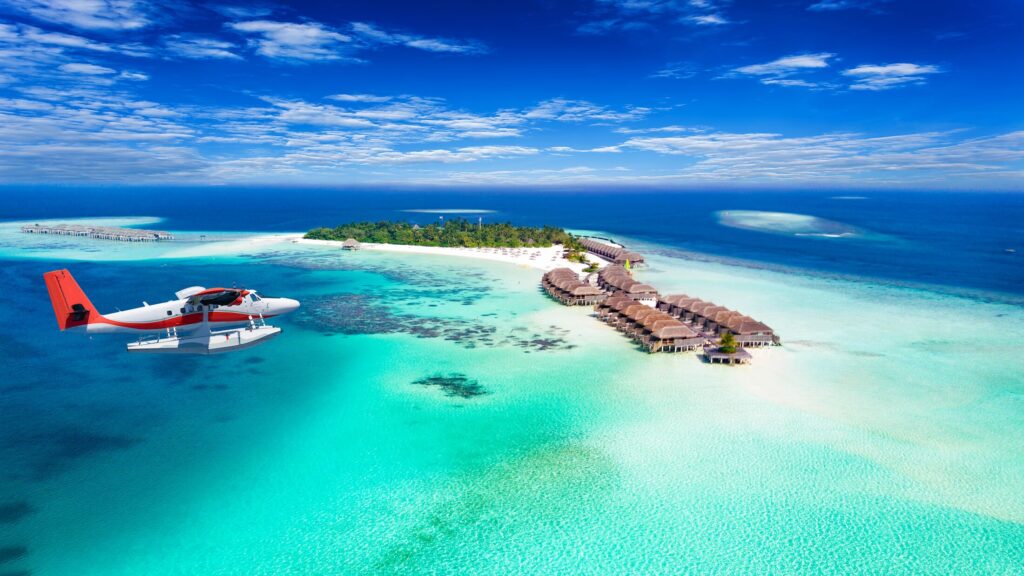
The Maldives is one of the most renowned island nations but faces serious energy issues and continuous climate changes. Most of the communities here have already been relying on diesel generators for electricity for quite some time. This results in a noisy and polluted environment while making power expensive. At the same time, as the Maldives is one of the world’s lowest-lying countries, it is always at risk from rising sea levels caused via climate change. This has led to the shift towards solar energy systems and as the country enjoys plenty of sunshine year-round, generating solar energy is not an issue here.
Keep reading till the end to learn about why solar power projects matter so much in the Maldives. Book a seamless trip to this amazing island country via Maldives holiday packages.
Why Solar Power Matters in the Maldives?
As aforementioned, the country enjoys a great dose of sunshine throughout the year, which means there is a great potential here for producing ethical and clean energy from the sun. In the past, the country used to import lots of diesel fuel to run small power stations on each island. This was very costly and a hazard for the environment at the same time. Further, it made the islands in the Maldives even more dependent on other countries for fuel.
The good news is, the use of solar energy has started changing the game for the country. With its use, the Maldives can cut down on waste generation and fuel imports while improving the energy security as well. These solar systems can be installed directly on the rooftops of buildings, over water and even small pieces of land. They work together with diesel backup and battery storage to ensure an uninterrupted supply of power even at night or the days when the weather is cloudy.
Rooftop Solar on Homes
The goal is to make solar energy accessible to ordinary citizens, not just big resorts or companies. By generating electricity at home, people can reduce their monthly power bills and even sell extra electricity back to the grid in some areas. This also spreads energy generation across many islands instead of relying on just a few power plants.
The government here has taken an initiative to promote renewable energy through rooftop solar programs on households. Such projects help people install small solar systems on their roofs for power generation for their homes. These systems normally range from 3 to 5 kilowatts, that is enough to meet the family’s electricity needs during the day.
Solar Power in Resorts and Businesses
As we all know of the role of tourism in the Maldives’ economy, the resorts here consume a lot of energy. Keeping in view, many of these resorts have started the implementation of solar power systems to reduce their dependence on diesel which also helps them cut down on the overall energy costs. Many of the large resorts now feature solar panels that cover most of their rooftops and service buildings, and others are using hybrid systems that combine solar energy, batteries and backup generators. Also, many of the luxury resorts are managing to produce half of their daily electricity needs via solar power. This helps make their operations even more sustainable and highly appeals to the eco-conscious travellers.
Floating Solar Power Projects
As we can find limited land on most of the islands here, another project that is gaining popularity is the floating solar system. These help place the solar panels on floating platforms in lagoons or calm ocean areas which not only saves enough of the space but also helps keep these panels cooler and this results in more efficiency.
One of the largest planned projects in this regard includes the floating solar farm near the capital area, which upon completion, will provide clean electricity to the national grid and help reduce diesel reliance. This project will also help showcase how solar energy can easily work even in marine-based settings, thus paving a path for similar projects on other islands as well.
Large-Scale Solar Programs
Other than the aforementioned few programs, the government here is quite ambitious about the fine usage of solar energy and is setting goals for renewable energy. The government thus aims to generate around 1/3rd of the country’s electricity via solar means and other clean and sustainable resources in the upcoming years, which is a great step and thought. To reach this target, it is already planning different large-scale solar projects across many inhabited islands in the Maldives.
These projects include solar farms with battery storage systems to provide power even after sunset. Some of the islands have already installed small grids that supply power to local schools, hospitals and such buildings. The long-term goal is to connect several islands via undersea cables which can help transfer the excess solar power from one island to others.
Benefits for the Country
The shift of the country towards solar power brings great benefits, the first one of which is linked to the economy. The Maldives spends a large sum of its budget on diesel fuel import and replacing this fuel with solar energy reduces fuel costs and saves money, which can be utilised in other areas like education, health and infrastructure.
The second benefit is environmental. Every single bit of the solar energy produced means less CO2 that releases into the environment. This helps the Maldives support the green planet and climate goals while preserving its own atmosphere as well. This also means less air and noise pollution on the islands and thus creating a healthy and safe place for residents and tourists.
Another great benefit is energy independence. With such systems, communities across the islands can produce their own power instead of waiting for fuel shipments which makes them more resilient to global changes or supply problems.
Hope you found the post helpful. Book the best Maldives Holidays with Virikson Holidays which serves as the UK’s top-rated travel agency.