
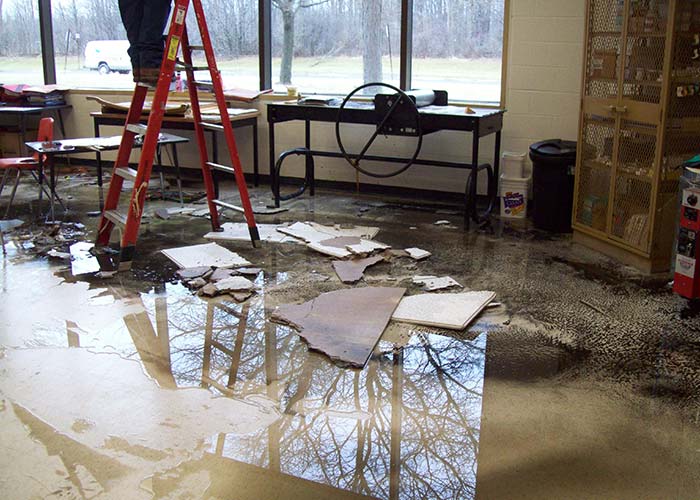
No one ever wants to deal with sewage damage. It’s messy, dangerous, and can quickly cause serious damage to your home. Sewage backup happens when waste water from your drains or pipes backs up into your home, often bringing harmful bacteria, viruses, and other dangerous pathogens along with it. Whether it’s a small spill or a major flood, sewage damage cleanup is a critical task that requires quick action to prevent further damage and health risks.
In this blog, we’ll walk you through the steps involved in cleaning up sewage damage. We’ll explain what sewage damage is, why it’s important to act fast, and when you should call a professional for help. Follow these tips and steps to ensure a thorough and safe cleanup process.
What is Sewage Damage?
Sewage damage occurs when wastewater, often containing raw sewage, backs up into your home. This can happen due to a variety of reasons like clogged pipes, burst sewer lines, or even a malfunction in the city’s sewer system. Sewage water is often categorized as black water, which is the most dangerous kind of water damage because it can contain harmful bacteria, viruses, chemicals, and waste products.
Some common causes of sewage damage include:
- Clogged pipes: Blockages caused by grease, food waste, or other materials that clog drains.
- Broken or cracked pipes: Over time, pipes can break or become damaged due to age, pressure, or external factors like tree roots growing into them.
- Tree roots: Roots from trees can invade your sewer lines and cause blockages.
- Sewer line failure: Older or poorly maintained sewer systems can fail, causing backups.
- Heavy rainfall or floods: When the local sewer system gets overwhelmed by rainwater, it can push waste back into homes.
Why Is It Important to Act Fast?
The main reason to address sewage damage as quickly as possible is health and safety. Sewage water is full of harmful bacteria and pathogens that can cause serious health problems, including stomach infections, skin infections, and even respiratory issues. The longer you let sewage water sit, the more damage it can cause to your home and the greater the health risk.
Here’s why fast action is important:
- Health risks: Raw sewage contains dangerous bacteria like E. coli, salmonella, and other viruses that can cause infections if you come into contact with them.
- Structural damage: Sewage water can ruin carpets, furniture, walls, and flooring. The longer it remains, the harder it is to clean and restore.
- Mold growth: Sewage water creates the perfect environment for mold. Mold can start growing within 24–48 hours in damp conditions, which can lead to even more damage and health risks.
- Cost of repairs: The quicker you act, the less costly the repairs and cleanup will be. Sewage damage left untreated can cause long-term structural issues that are expensive to fix.
Steps for Sewage Damage Cleanup
Cleaning up sewage damage is a tough and unpleasant job, but it can be done. If you’re able to, follow these steps to safely clean and restore your home. However, if the damage is extensive or you feel unsafe handling it yourself, don’t hesitate to call in professionals.
1. Ensure Safety First
Before you do anything, make sure you’re protecting yourself from exposure to harmful pathogens. Sewage water contains bacteria and viruses that can cause infections, so wearing protective gear is essential.
Here’s what you need to wear:
- Rubber gloves to protect your hands from direct contact with sewage water.
- Boots or waterproof footwear to keep your feet dry and protected.
- Face mask or respirator to avoid breathing in harmful particles.
- Goggles to protect your eyes from splashes.
If you need to work near electrical outlets or appliances that may have come into contact with water, turn off the electricity in the affected area to avoid any risk of electric shock.
2. Remove Standing Water
The first step in sewage damage cleanup is to remove the standing water. Depending on the amount of water, you can use different tools:
- Wet/dry vacuum: A wet/dry vacuum can be helpful for small to moderate amounts of standing sewage water. Make sure it’s designed to handle liquid waste.
- Submersible pump: For larger areas or more severe flooding, a submersible pump can help remove the water faster.
- Professional help: If the flooding is extensive, it’s best to call a water removal service. Professionals have the equipment to handle large volumes of water quickly and efficiently.
Do not attempt to use a regular household vacuum to remove sewage water, as this can be hazardous to your health and damage your equipment.
3. Clean and Disinfect All Affected Surfaces
Once you’ve removed the standing water, the next step is to clean and disinfect all surfaces that came into contact with sewage water. This is a crucial part of the cleanup process to prevent bacteria and viruses from spreading.
Here’s how to clean the affected areas:
- Scrub all surfaces with a disinfectant. You can use a mixture of 1 cup of bleach to 1 gallon of water to disinfect hard surfaces like floors, walls, and countertops. Alternatively, you can buy a commercial disinfectant specifically designed for sewage cleanup.
- Wash fabrics like clothing, bedding, and curtains in hot water with detergent. For items that can’t be salvaged (like mattresses or upholstered furniture), it’s best to throw them away to avoid spreading contaminants.
- Use disinfectant wipes on smaller items like doorknobs, light switches, and remote controls.
Be sure to wear gloves and protective gear when handling cleaning materials, and never mix bleach with ammonia or other cleaning products, as this can release toxic fumes.
4. Dry the Area Thoroughly
After cleaning, the next important step is to dry out the affected area. Sewage water is highly moisture-laden, and leaving any moisture behind can promote mold and mildew growth. To dry the area:
- Use fans to help air circulate and dry out surfaces.
- Place dehumidifiers in the affected rooms to remove excess moisture from the air.
- Open windows and doors if the weather permits, to allow fresh air to help dry the area faster.
It’s important to dry the space within 24–48 hours to prevent mold and bacteria from taking hold.
5. Inspect for Structural Damage
Once everything is cleaned and dried, check the structure of your home for any damage caused by the sewage backup. This includes:
- Flooring: Check if wooden floors or carpets are warped or damaged beyond repair.
- Walls: Inspect drywall for signs of water damage or mold growth.
- Furniture: Any furniture that has been in contact with sewage water should be thoroughly cleaned, disinfected, and dried. If it’s severely damaged, it may need to be replaced.
In some cases, structural elements like walls, floors, and ceilings may need to be replaced if they’ve been compromised by water.
When to Call a Professional
While some minor sewage backups can be handled by homeowners, large or severe sewage damage is best left to the professionals. If the sewage backup is extensive, or if you’re not comfortable handling the cleanup on your own, calling a professional restoration company is the safest option.
Professionals have the right equipment, experience, and protective gear to handle the cleanup efficiently and safely. They can also assist with tasks like:
- Removing water and sewage quickly.
- Cleaning and disinfecting large areas.
- Handling hazardous waste and ensuring proper disposal.
- Restoring your home to its pre-damage condition.
Preventing Sewage Damage in the Future
While you can’t always prevent sewage damage, there are a few steps you can take to reduce the risk:
- Maintain your plumbing: Regularly check your plumbing for leaks, cracks, and other issues that could lead to backups.
- Install a backflow valve: A backflow valve prevents sewage from flowing back into your home.
- Be careful with what you flush: Never flush non-biodegradable items like wipes, sanitary products, or grease, as they can clog your pipes and cause backups.
- Regular inspections: Have your sewer lines and pipes inspected regularly, especially if your home is older.
Conclusion
Sewage damage cleanup is not something you want to put off. The longer sewage water sits in your home, the more damage it can cause, and the greater the health risks. By following the proper cleanup steps and acting quickly, you can restore your home and protect your health. If the task feels overwhelming, don’t hesitate to call a professional to handle the situation.
Keeping your plumbing in good condition and taking preventive measures can help protect your home from sewage damage in the future. Stay safe, and take care when dealing with sewage backups!