
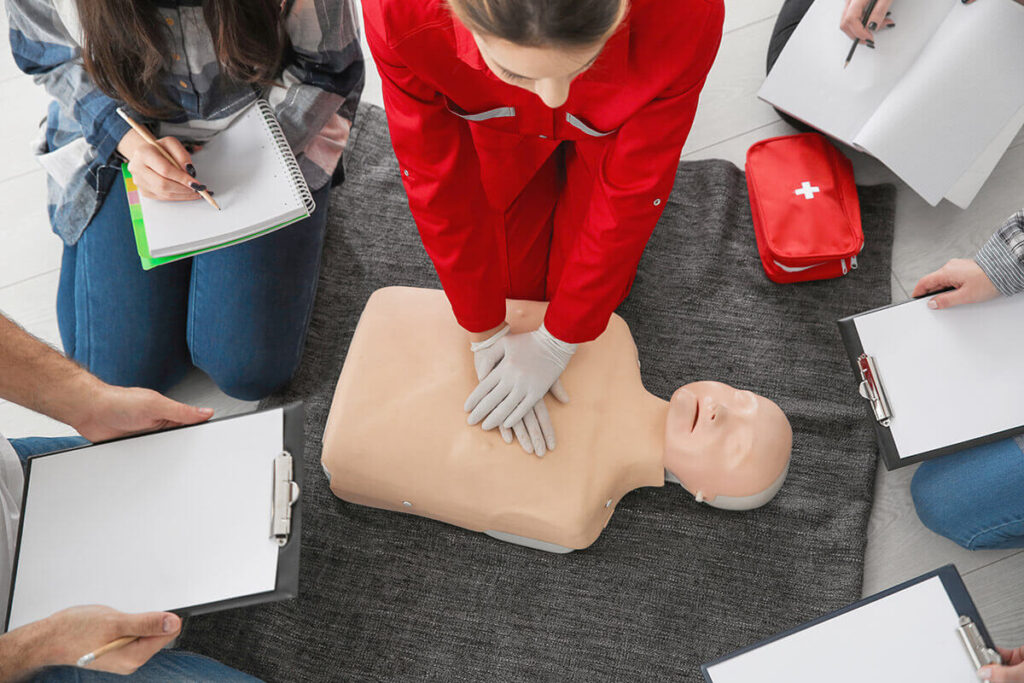
Are You Seeking Accreditation in Advanced Cardiac Life Support (ACLS)? If so, look no further! This certification can save lives! Whether healthcare professionals or anyone interested in becoming more informed on lifesaving techniques; becoming ACLS certified will open doors of opportunity and save lives!
No longer do you need to sit in a classroom all day to earn your certification; now, with online training you can learn anytime, from anywhere! So if you’re ready to take that next step in life-saving journey, let’s dive in on how ACLS certification through online training could work for you.
Reasons Why Online ACLS Training Is an Appropriate Option
Why would anyone opt for online ACLS courses? Good question! These convenient classes allow you to study at your own pace without leaving home; study when it fits best into your schedule!
One of the advantages of an online heartcode acls course is flexibility: you can start, pause and resume when ready. No deadlines or fixed schedules exist here – simply learning at your own pace.
Plus, online courses tend to be more affordable; no travel costs or classroom fees required and no time wasted studying; just log on, study and become certified–no hassle required!
What Is ACLS Certification, Precisely?
ACLS stands for Advanced Cardiac Life Support and refers to a set of medical procedures used during emergencies like heart attacks or strokes to stabilize a patient until further medical assistance arrives. ACLS techniques such as CPR, defibrillation, airway management are part of its services.
With ACLS certification, you are learning to respond appropriately in life-threatening situations. By knowing exactly what actions should be taken when, healthcare workers can receive important training that ensures they respond swiftly. Anyone interested can obtain their ACLS certification.
American Heart Association Heartcode ACLS Courses offer one of the best ways to achieve certification. Trusted by hospitals and clinics around the globe, these courses make a sound investment.
Step One: Choose an Online ACLS Course
Before beginning an online course, it is essential that you select an appropriate one. No two courses are alike so here are a few points for consideration:
Start By Checking Accreditation
Before enrolling in any course, ensure it is accredited. A course with high standards meets this criterion – accreditation ensures you’re learning exactly what’s needed – such as programs such as American Heart Association’s ACLS which is widely recognized and trusted.
What Are My Needs? Review the course outline carefully. Make sure it provides everything necessary, such as CPR, using an AED and managing airways, for instance. Also search for courses with interactive lessons and quizzes to reinforce learning.
Certification Validity
Determine how long your ACLS certification will be valid. Most ACLS certificates last two years before needing to take a refresher course to renew it – online providers typically offer simple solutions to renew it easily.
Review Reviews and Reputations
Read reviews written by other students of the course you are interested in taking. If they vouch for its simplicity and usefulness, that could be an encouraging sign. You want a course that makes learning enjoyable as possible!
Step Two: Register for the Course
Once you have chosen a course, the registration process should be straightforward and quick – typically only taking minutes or seconds! Create an account and pay for the course with either credit/debit cards (some even provide financing options if necessary)
Once registered, you’ll gain access to course material. Most courses are divided into sections to allow for easy navigation of their content step-by-step.
Step 3: Start Learning
Now comes the fun part – once enrolled, it’s time to dive right in to lessons! Online ACLS courses typically break their lessons down into manageable sections that build upon each other; take your time absorbing this material!
Starting Out We will start off by covering the fundamentals, such as understanding your heart, what happens during cardiac emergencies, and why early action is so essential. Don’t worry- this part is usually straightforward! Additionally, you will learn to recognize different cardiac rhythms as well as when to act.
Practical Skills
Once the practical training is complete, you’ll transition to more hands-on sessions where you’ll hone life-saving techniques such as CPR, AED use, airway management and drug administration. Knowing when and how to utilize each technique is of critical importance.
Interactive Scenarios
Many online courses include interactive scenarios. Here, you’re required to apply what you have learned through simulation. These simulations let you practice real-life emergency situations safely while helping build confidence in making decisions on the fly.
Step 4: Administer Quizzes and Assessments
As you progress through your course, quizzes may be introduced to assess your understanding. Don’t fret over these tests: they’re meant to keep you on the right path! If a quiz doesn’t pass the first time around, revisit its material before trying again later on.
At the conclusion of your course, a final exam may be required of you. This test will cover everything that has been covered during your studies – don’t panic; as long as you pay attention and prepare well, you should do just fine on this test! Most courses allow second attempts if needed if not passing first time around.
Step Five: Acquire Certification
Once you’ve successfully completed and passed an exam, it’s time to obtain your certification! Most online programs provide digital certificates which can be easily downloaded and printed out immediately – perfect for sharing with employers or organizations that require certification.
Your ACLS certification typically expires every two years; after this point, a refresher course or full course retake may be necessary in order to remain valid.
Step 6: Master Your Skills and Apply them in Practice
Accreditation is only the first step. In order to be truly prepared in an emergency situation, practice is key. Here are some ways you can maintain your knowledge:
Participate in Regular Drills
Healthcare employees should regularly engage in drills. These hands-on sessions help improve teamwork and reaction times; more practice equals faster response times. With every practice session you take part in, your reaction times and confidence increase, leading to faster patient care overall.
Stay Up-To-Date ACLS guidelines may change over time, so stay abreast of current practices by attending refresher courses or reading up on updated guidelines from organizations such as the American Heart Association.
Accrediting yourself in ACLS certification via online training is one of the best investments you can make to enhance your life-saving abilities. Being able to recognize and manage cardiac emergencies could save lives; online training allows you to do it all on your own schedule from the comfort of home.
Following this straightforward guide will put you on your path towards ACLS certification. Whether you are new to healthcare or seeking recertification, an online heartcode acls course provides an effective and straightforward means of becoming ACLS-certified.